






Oligozoospermia, commonly known as low sperm count, is a male fertility condition in which the number of sperm present in semen is lower than the expected level. A low sperm count can reduce the chances of natural conception, but it does not always mean that IVF is the only available option.
A proper semen analysis, hormonal evaluation and physical examination can help identify why the sperm count is low. Once the underlying cause is identified, an appropriate treatment plan can be started.
TABLE OF CONTENT
What Is Oligozoospermia?
Sperm count refers to the concentration of sperm present in one millilitre of semen. According to the criteria discussed in the video, a sperm concentration above 15 million per millilitre is considered normal.
When the sperm count is below 15 million per millilitre, the condition is called oligozoospermia or low sperm count.
Low sperm count may be divided into different levels:
- Mild oligozoospermia: Sperm count between 10 and 15 million per millilitre
- Moderate oligozoospermia: Sperm count between 5 and 10 million per millilitre
- Severe oligozoospermia: Sperm count below 5 million per millilitre
- Extremely low sperm count: Below 1 million per millilitre, which may sometimes produce a report similar to azoospermia
The sperm concentration per millilitre is important, but the total number of sperm in the complete semen sample must also be assessed.
How Is Low Sperm Count Diagnosed?
Low sperm count is diagnosed through a semen analysis. During this test, the semen sample is examined for several parameters, including:
- Sperm count
- Sperm motility
- Sperm morphology
- Semen volume
- Sperm movement and velocity
- Signs of infection
- Other sperm-related abnormalities
A single abnormal semen analysis may not always confirm oligozoospermia. Ideally, the semen analysis should be repeated to confirm whether the sperm count is consistently low.
How to Prepare for a Semen Analysis
Proper preparation and sample collection are important for obtaining a reliable semen analysis report. Before the test, the man should generally maintain an abstinence period of at least three days. This means avoiding sexual intercourse and ejaculation during that period.
The semen sample is usually collected through masturbation in a clean, wide-mouth container. The complete sample should be collected carefully. After collection, the sample is kept in an incubator for approximately 30 minutes so that it can liquefy. Semen is usually thick immediately after ejaculation, but it gradually becomes more liquid.
Once liquefied, the semen can be examined manually or through a computer-assisted system.
Computer-Assisted Semen Analysis
Computer-Assisted Semen Analysis, also known as CASA, uses computer technology to examine the semen sample.
In a manual semen analysis, a laboratory technician examines and counts sperm under a microscope. The accuracy of the report may depend on the technician’s experience and training.
CASA can help evaluate the sample more objectively. It may provide information about:
- Actual sperm concentration
- Total sperm count
- Sperm motility
- Sperm morphology
- Sperm velocity
- Movement patterns
- Head and tail abnormalities
Computerised semen analysis may also provide photographic or video evidence of the sperm present in the sample. This can make it easier to verify the findings mentioned in the report.
READ ALSO
- P-Shot for Erectile Dysfunction: P-Shot Treatment in Delhi, India
- Penile Implant Revision Surgery in Delhi, India
- Sexual Performance Anxiety in Men
Five Common Causes of Low Sperm Count
Oligozoospermia can develop due to several medical, hormonal, nutritional and lifestyle-related factors. The following are five common causes discussed in the video.
1. Lifestyle and Environmental Factors
Modern lifestyle and environmental exposure may affect sperm production. Possible contributing factors include:
- Wearing tight underwear or tight jeans
- Inadequate sunlight exposure
- Eating highly processed or artificially flavoured foods
- Using plastic containers for food
- Exposure to microplastics and chemicals
- Air pollution
- Water pollution
- Frequent exposure to chemical-coated receipts and similar materials
These environmental and lifestyle factors may gradually affect male reproductive health and sperm production.
2. Low Testosterone
Testosterone plays an important role in sperm production. When testosterone levels are low, sperm production may also decline.
However, men with low sperm count should not start testosterone injections without proper medical advice. Taking testosterone from outside the body can suppress the testicles and may reduce or stop natural sperm production.
The objective of fertility-preserving treatment is to stimulate testosterone production within the testicles rather than simply supplying external testosterone.
3. Poor Nutrition
The body requires adequate nutrients to produce healthy sperm. A diet lacking essential vitamins, minerals, proteins and healthy fats may contribute to low sperm count.
Important nutritional components mentioned in the video include:
- Healthy fats
- Healthy carbohydrates
- High-quality protein
- Zinc
- Selenium
- Magnesium
- Vitamin D
- Other essential vitamins and minerals
Deficiencies of vitamin D, zinc and other nutrients may negatively affect sperm production.
4. Very Frequent Masturbation
Very frequent ejaculation may temporarily influence the sperm concentration present in a semen sample.
For couples trying to conceive, the frequency and timing of ejaculation may need to be considered, particularly around the fertile window. A proper abstinence period is also necessary before semen analysis to obtain a reliable result.
5. Varicocele Treatment
Varicocele is a condition in which the veins above or around the testicle become enlarged and swollen. It is one of the most common correctable causes of low sperm count.
Varicocele may affect the temperature and function of the testicle, which can interfere with sperm production. It may be detected through a physical examination or a properly performed scrotal ultrasound.
Men with low sperm count should be examined for varicocele before moving directly towards assisted reproductive procedures.
Tests Required for Low Sperm Count
Finding the cause of oligozoospermia is essential before beginning treatment. A scientific evaluation may include the following tests.
Hormonal Profile
A hormonal evaluation may include:
- Total testosterone
- Free testosterone
- Oestrogen
- Luteinising hormone
- Follicle-stimulating hormone
- Thyroid tests
These tests help determine whether hormonal abnormalities are affecting sperm production.
Scrotal Ultrasound
A properly performed ultrasound, preferably while standing when assessing varicocele, may help detect:
- Varicocele
- Testicular infection
- Abnormal testicular size
- Testicular torsion
- Hernia
- Hydrocele
- Previous injury
- Other testicular abnormalities
Infection Tests
Urine and semen tests may be required to identify infections that could damage sperm or interfere with sperm production.
These may include:
- Urine routine examination
- Urine culture
- Semen routine examination
- Semen culture
Body Weight and Body Composition
Body weight and body composition may also be evaluated because general metabolic health can influence hormonal balance and male fertility.
Is IVF the Only Treatment for Oligozoospermia?
No. IVF is not automatically the first or only treatment for every man with low sperm count.
The correct approach is to identify the reason for the low sperm count and treat that specific problem. Some men may eventually require IUI or IVF, but underlying male fertility problems should be evaluated before proceeding.
Sperm-related problems may involve:
- Low sperm count
- Poor sperm motility
- Abnormal sperm morphology
- Low semen volume
- Infection
- DNA fragmentation
Each problem may have a different cause and therefore requires a different treatment strategy.
Treatment for Low Sperm Count
Treatment depends on the underlying cause identified during the evaluation.
Varicocele Treatment
When varicocele is responsible for low sperm count, microsurgical varicocele repair may help improve testicular function and sperm production.
Improvement in semen parameters generally takes time because sperm production occurs in cycles. Changes may become visible over several months following treatment.
Treatment of Low Testosterone
When low internal testosterone production is affecting fertility, medicines may be prescribed to stimulate the body’s natural hormonal system.
Medicines mentioned in the video include:
- Clomiphene
- Letrozole
- Tamoxifen
- Anastrozole
- Human chorionic gonadotropin
The choice, dose and duration of these medicines must be decided by a qualified doctor. Self-medication can disturb the hormonal system and may worsen fertility.
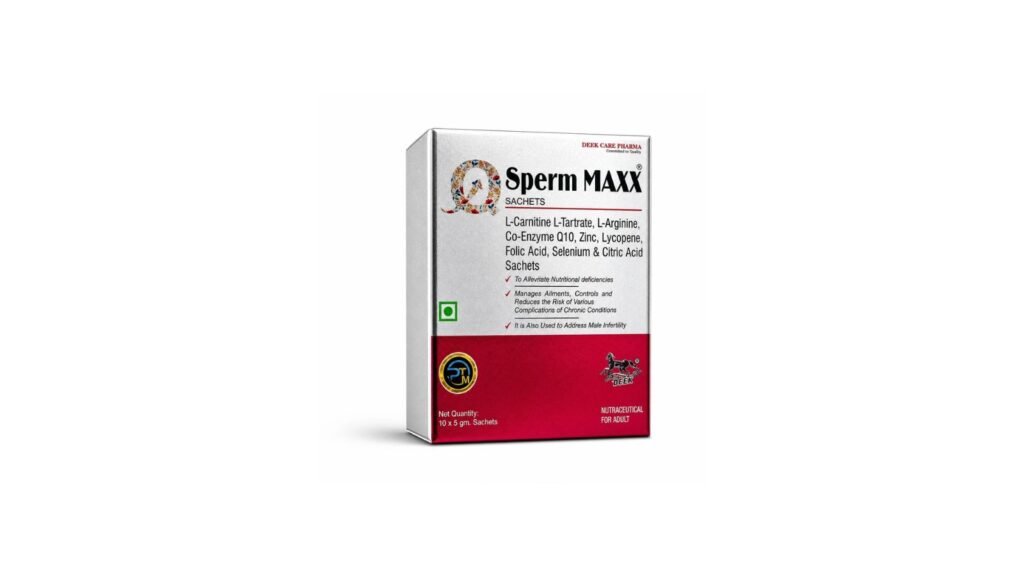
BUY SPERM MAXX
Antioxidants and Mineral Supplements
Antioxidants may help protect sperm from damage around the testicular environment. However, taking several antioxidant products without identifying the underlying problem may not provide the desired result.
The correct dosage and duration are more important than consuming multiple supplements together. Mineral and vitamin supplementation may be useful when a nutritional deficiency has been identified.
Infection Treatment
If urine or semen tests show an infection, appropriate treatment may help protect sperm and improve semen quality.
Lifestyle and Dietary Improvement
Treatment may also include:
- A balanced diet
- Regular exercise
- Adequate sleep
- Maintaining a healthy body weight
- Reducing exposure to environmental chemicals
- Avoiding excessive heat around the testicles
- Limiting processed foods
- Correcting vitamin and mineral deficiencies
Five Seeds That May Support Sperm Health
The video recommends five seeds that can be added to a balanced diet to provide nutrients associated with male reproductive health.
1. Flaxseeds
Flaxseeds provide healthy fats and essential nutrients. They can be included in the regular diet as part of a balanced nutritional plan.
2. Chia Seeds
Chia seeds are a source of omega-3 fatty acids. They may be particularly useful for people who do not want to consume fish oil or omega-3 tablets.
3. Sesame Seeds
Sesame seeds contain magnesium and zinc. They can be consumed directly or used in foods such as sesame laddus.
4. Sunflower Seeds
Sunflower seeds are considered a good source of vitamin E, which is commonly associated with antioxidant support.
5. Pumpkin Seeds
Pumpkin seeds are rich in zinc and are considered beneficial for general male health.
These seeds should not be considered a complete treatment for oligozoospermia. They should be combined with a balanced diet, regular exercise, good-quality sleep and treatment of any underlying medical condition.
Why an Andrologist Evaluation Is Important
An andrologist specialises in male reproductive and sexual health. Men with low sperm count may benefit from consulting an andrologist who can evaluate the testicles, hormones, semen parameters and other male fertility factors.
The purpose of the evaluation is not only to confirm that the sperm count is low, but also to determine why it is low.
Beginning expensive medicines, antioxidants, IUI or IVF on the basis of a single semen report may not address the actual problem. A structured assessment can help identify correctable causes and guide the most suitable treatment.
Conclusion
Oligozoospermia is a common male fertility problem, but a low sperm count does not always mean that natural conception is impossible or that IVF is the only solution.
The first step is to confirm the diagnosis through properly performed semen analyses. The next step is to investigate possible causes such as varicocele, hormonal imbalance, nutritional deficiency, infection, environmental exposure and lifestyle factors. Once the cause is identified, treatment can be planned accordingly. Medical treatment, varicocele repair, correction of deficiencies, infection management and lifestyle improvement may help improve sperm production in suitable patients.
Men with low sperm count should avoid self-medication, especially testosterone injections, and seek a proper evaluation from an experienced andrologist.
