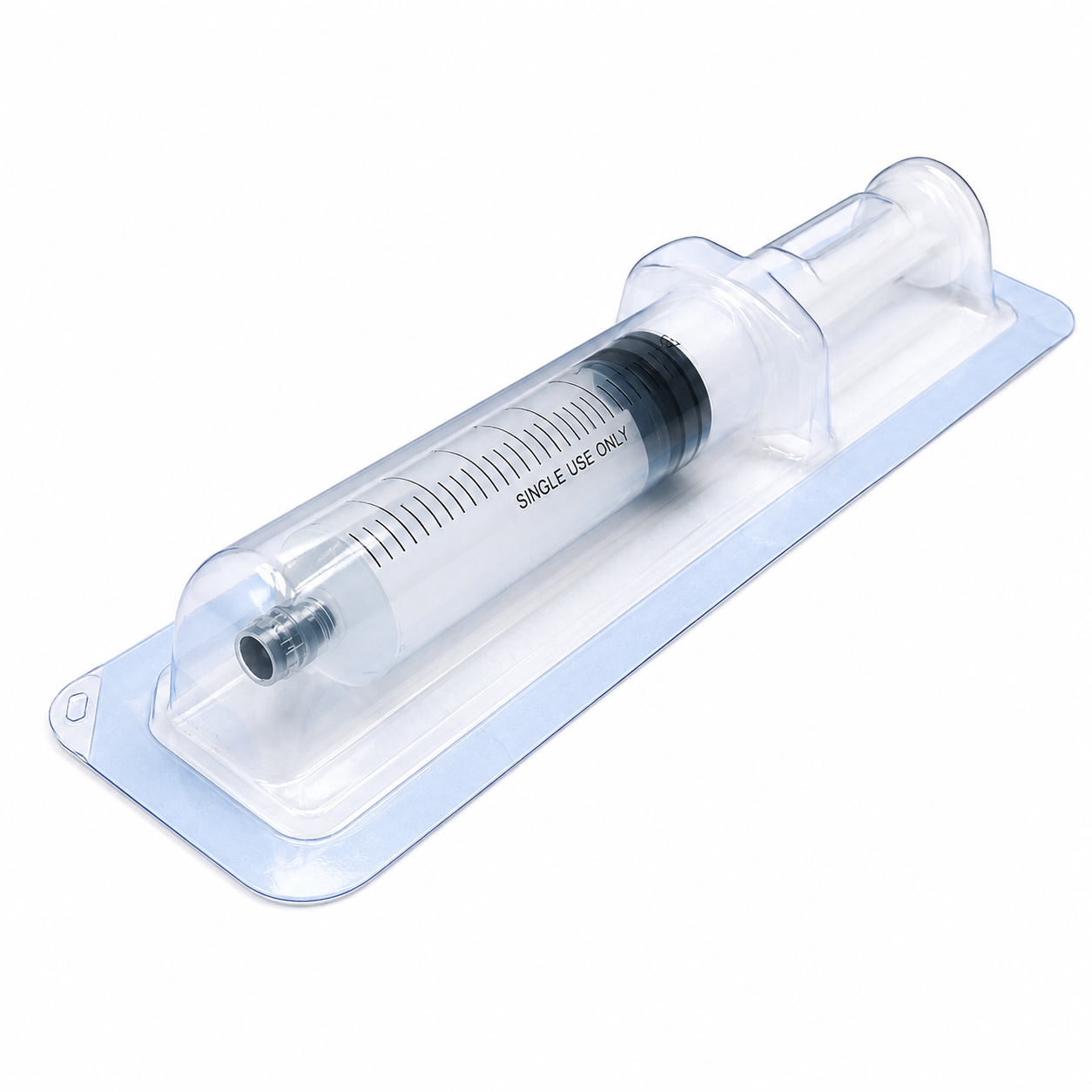
Hyaluronic Acid Filler
A soft gel-like filler is selected according to tissue condition, required volume and the treatment objective.
A specialist-led treatment option designed for selected men experiencing premature ejaculation. Penile filler treatment may help reduce excessive sensitivity and support improved control after a detailed medical evaluation.
Glans augmentation is a minimally invasive procedure in which a medically selected filler—commonly a hyaluronic acid-based gel—is carefully injected into specific areas of the glans penis. In selected patients, it may help reduce excessive sensitivity associated with premature ejaculation.
The injected filler creates an additional layer within the glans tissue. This may reduce direct stimulation of sensitive nerve endings and slow the transmission of sensory signals during sexual activity. The objective is improved control—not complete loss of sensation.
A soft gel-like filler is selected according to tissue condition, required volume and the treatment objective.

The procedure is generally performed using local anaesthesia and normally does not require hospital admission.
It is mainly considered when glans hypersensitivity appears to be an important contributor to early ejaculation.
Filler brand, quantity and injection technique are decided after examination by a trained urologist.
The usual filler quantity is between 1 ml and 3 ml per session. The final dose is selected after examining glans size, sensitivity pattern, tissue condition and treatment objective.
Filler longevity varies between patients and depends on the product, injected quantity, metabolism, tissue response and individual clinical factors. In some patients, the effect may continue beyond two years.
CE- and ISO-approved filler options are available. Product brand, quantity and suitability are discussed during the consultation.
Premium filler brands are priced separately according to the selected product, required quantity, availability and clinical suitability.
Pre-treatment investigations help assess whether premature ejaculation is primarily associated with penile sensitivity or whether hormonal, fertility or neurological factors also require attention.
Watch Dr. Vijayant Govinda Gupta explain how glans filler may support selected patients with premature ejaculation, how the procedure is planned and why a proper assessment is required before treatment.
Learn how filler treatment may help reduce excessive glans sensitivity in carefully selected patients and understand the role of filler within a complete premature ejaculation treatment plan.
This video explains the treatment approach, expected benefits, limitations and why glans filler should only be considered after evaluating the cause of premature ejaculation.
These answers explain the evidence, expected benefits, limitations and suitability of hyaluronic acid glans filler for premature ejaculation.
Research suggests that hyaluronic acid injection may increase intravaginal ejaculation latency time and improve perceived control in selected patients, particularly where excessive glans sensitivity is an important contributing factor.
A systematic review and single-arm meta-analysis evaluated 10 interventional studies and reported improvements at one, three and six months after treatment. However, study methods, injection techniques and patient groups varied, so the evidence should be considered promising rather than a guarantee of success.
Hyaluronic acid filler is placed within selected areas of the glans tissue. It creates additional tissue volume between the surface and sensitive nerve endings. In suitable patients, this may reduce excessive tactile stimulation and slow sensory signalling during intercourse.
The objective is improved ejaculation control, not complete numbness or loss of sexual sensation. It is most relevant when glans hypersensitivity appears to be a major part of the patient’s premature ejaculation pattern.
No. Premature ejaculation can involve several different factors, and excessive glans sensitivity is only one possible cause. Other contributing factors may include:
The treatment should therefore be recommended only after medical history, examination and assessment of the likely cause of PME.
The effect may commonly remain for approximately six months to two years, and it may last longer in some patients. Longevity varies according to the filler product, injected quantity, metabolism, tissue response and individual clinical factors.
Published studies commonly report outcomes over shorter follow-up periods such as one, three and six months. Therefore, no fixed duration or permanent result should be guaranteed before treatment.
Possible temporary effects can include swelling, tenderness, bruising, redness, unevenness or temporary changes in sensation. Less common but more important risks can include infection, filler migration, nodules, vascular injury or an unsatisfactory cosmetic result.
Risk may be reduced through proper patient selection, sterile technique, suitable filler selection, knowledge of penile anatomy and treatment by an appropriately trained doctor. Active infection, balanitis, significant phimosis or other untreated local conditions should be assessed before the procedure.
Premature ejaculation can have different causes. Glans filler may help selected patients with excessive penile sensitivity, but treatment should only be planned after a proper medical assessment. Book a private consultation with Dr. Vijayant Govinda Gupta to understand whether filler, medication, biofeedback, Botox or another treatment approach may be more suitable for you.
Speak with the New Delhi Andrology team about symptoms, required tests, filler options, expected cost and appointment availability.